
A shipping budget often goes wrong because a quote was incomplete or a deadline was missed. The practical question is not only “What is the freight rate?” but “What could I still be billed for, and under what conditions?”
Separate confirmed charges from conditional charges
Confirmed charges belong in your main budget. Conditional charges need a trigger, charging basis and responsible party. Ask for a written explanation of the terms used in the specific contract; terminology and charging arrangements can differ by provider and port.
- Rate validity: what booking or sailing event locks in the quote, and when does it expire?
- Origin and destination services: are documentation, terminal handling, customs support and unloading included?
- Storage: where can goods incur storage, when does charging begin and what is the daily basis?
- Equipment time: what are the collection and empty-return deadlines, and where must equipment be returned?
- Inspection or additional handling: who pays and how is the amount established?
- Inland access: are waiting, failed delivery, special equipment or restricted-access charges possible?
Turn a vague contingency into a scenario
Start with a confirmed subtotal. Then model a specific delay separately using the actual tariff supplied to you. For example, if a hypothetical contract charges 75 per day for a particular five-day delay, that scenario adds 375. Do not assume that rate or trigger applies to another provider.
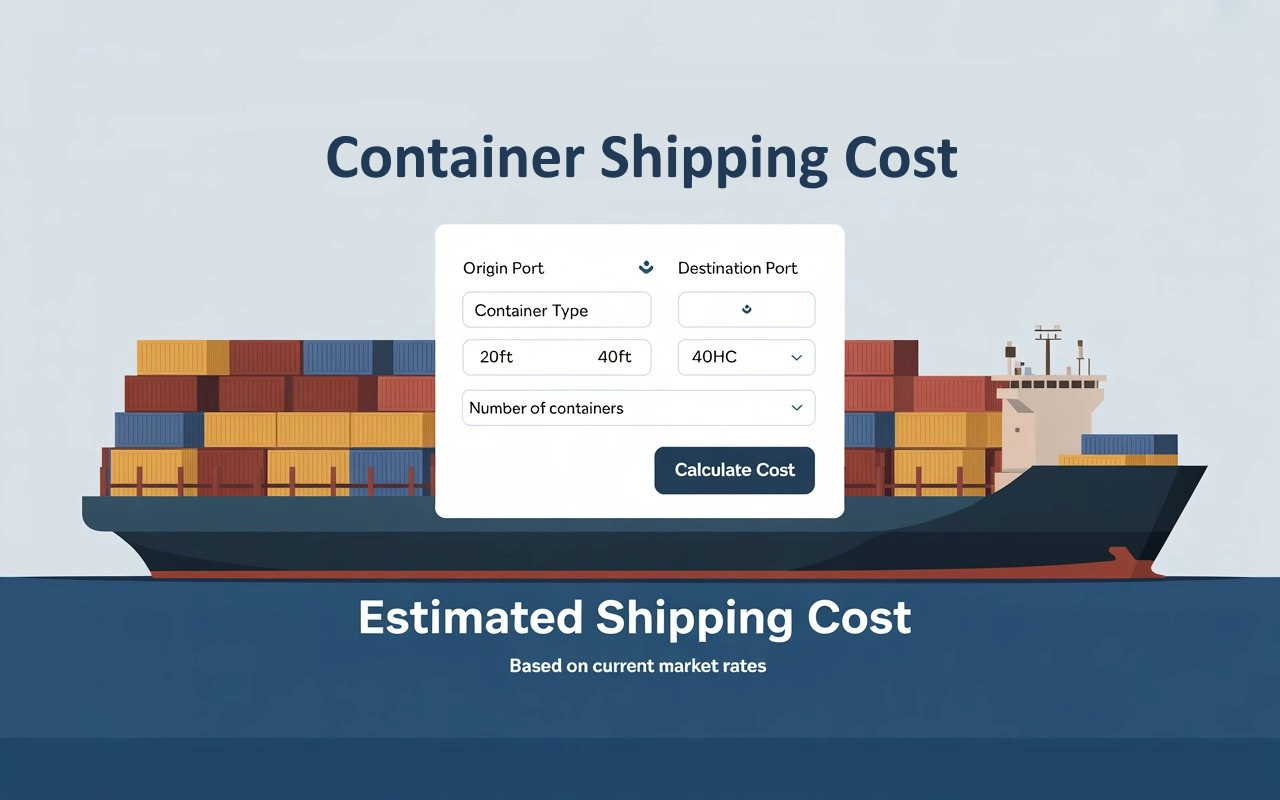
You can enter a percentage reserve in the container shipping budget calculator, but also keep a note of the risks it is intended to cover. A 10% reserve on 3,000 is 300; it would not fully cover the 375 scenario. Avoid putting the same anticipated charge in “other costs” and also treating it as an additional confirmed charge outside the calculation.
Compare responsibility as well as price
Ask who must supply documents, collect goods and return equipment. Set reminders using the confirmed dates. A quote comparison should include these duties and exclusions alongside the numerical total, because a cheaper offer can require more work or expose you to different charges.
Keep the audit trail
Save the accepted quote, tariffs, service inclusions and booking confirmation. When a new charge appears, compare its basis with those documents rather than relying on a generic internet rate. The all-in quote checklist helps keep the main budget organized.
For carrier-specific definitions and charging terms, use the tariff and contract issued with your quote. This article provides a checking workflow and hypothetical arithmetic, not a substitute tariff or a prediction of future freight prices.
Content reviewed on 9 October 2026. Worked examples are hypothetical. The original article URL is retained.